.svg)

Your home’s electrical systems quietly power your daily lives, but when system maintenance is overlooked, it can pose serious safety concerns. Understanding how to protect your home’s electrical system is an essential part of homeownership. From minor shocks to major fires, many household electrical hazards are preventable with some smart habits.
Don’t Overload Outlets
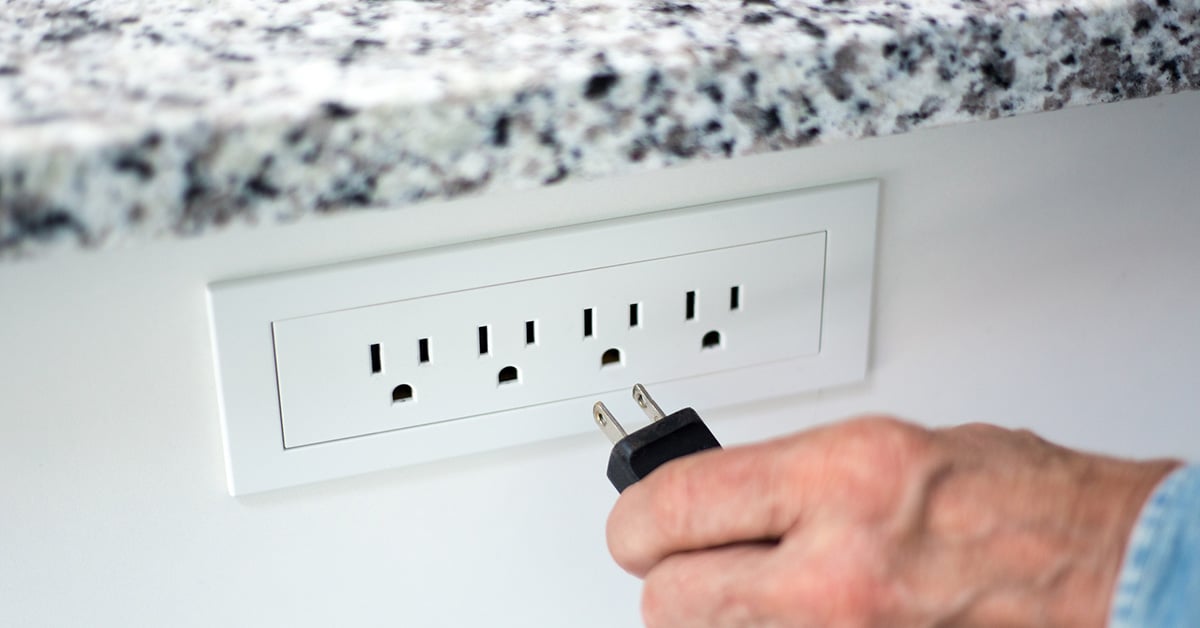
One of the most common electrical hazards is overloaded outlets. Plugging too many devices into a power strip can cause overheating and increase fire risk. Spread appliances across multiple outlets and avoid using extension cords as a permanent solution. Consider having a licensed electrician install additional outlets where needed.
Inspect Cords and Devices Regularly
Damaged cords and loose plugs are dangerous warning signs to ignore. Regularly inspect appliance and electronics cords, especially those used frequently. Never run cords under rugs or behind furniture where built-up heat can go unnoticed.
Use GFCIs and Practice Water Safety
Water and electricity make a dangerous combination. Ground Fault Circuit Interrupters (GFCIs) are designed to shut off when an imbalance is detected. These outlets should be used in kitchens, bathrooms, laundry rooms, and outdoor areas.